Table of Contents
ToggleReplacing windows ranks among the priciest home upgrades, but it doesn’t have to drain your savings. Whether you’re dealing with drafty single-panes, rotted sills, or just outdated glass, understanding where costs hide and how to trim them can save thousands. The difference between a budget-friendly window project and a financial headache often comes down to smart material choices, timing, and knowing when to roll up your sleeves versus calling in help. This guide walks through the real costs, practical shortcuts, and key decisions that keep affordable window replacement within reach without sacrificing quality or durability.
Key Takeaways
- Affordable window replacement costs extend beyond the glass and frame to include labor ($100–$300 per window), disposal fees, permits, and structural repairs, which can add $150–$500 per window if damage is present.
- Schedule window replacements during late fall and winter to access 10–20% contractor discounts and faster project turnaround, while monitoring manufacturer rebates and utility incentives that can save $50–$200 per window.
- Vinyl frames offer the best value for budget-conscious homeowners, with standard double-pane glass and low-E coatings providing solid energy efficiency gains; skip premium options like argon gas and triple-pane glass if cost is tight.
- Stock-sized windows cost 30–50% less than custom orders, and insert windows can reduce labor by half compared to full-frame replacements if your existing frame is sound.
- DIY insert window installation saves $100–$300 per window in labor but requires proper shimming, flashing, and weatherproofing to prevent costly water damage; reserve full-frame and second-story work for licensed contractors.
- Buying multiple windows together triggers volume discounts of 5–15%, and planning ahead with proper measurements and rebate research can reduce total affordable window replacement costs by 30–50% without sacrificing quality.
Why Window Replacement Costs More Than You Think
Most homeowners budget for the window unit itself, then get sticker shock when the final invoice arrives. The glass and frame account for only part of the expense. Labor, disposal, structural repairs, and finishing work add up fast.
Installation labor typically runs $100 to $300 per window, and that’s for straightforward drop-in replacements. Full-frame installations, where the entire window, including the jamb and sill, gets removed, cost more because they require trim removal, insulation, flashing, and exterior cladding repair. If the rough opening has rot, mold, or outdated framing that doesn’t meet code, expect another $150 to $500 per window to address structural issues before the new unit goes in.
Disposal fees for old windows vary by region but average $50 to $100 per job. Some municipalities charge by weight or require special handling for glass. Permits add another $50 to $200 depending on jurisdiction: most localities require them for full-frame replacements, though insert replacements often fly under the radar. Check with your local building department before starting work, unpermitted jobs can complicate future sales or insurance claims.
Material upgrades drive costs higher. Standard double-hung vinyl windows start around $300 to $600 per unit installed, but switching to fiberglass frames, low-E glass coatings, or argon-filled panes can push that to $800 or more. Specialty shapes, bays, bows, casements, sliders, carry premium pricing due to custom sizing and hardware. Energy-efficient models cost 10% to 20% more upfront but often pay back through lower heating and cooling bills, especially in extreme climates.
Finally, don’t overlook interior and exterior finishing. Trim, caulking, paint, and drywall repair aren’t always included in base quotes. Budget an extra $50 to $150 per window if you’re hiring out this work, or plan to handle it yourself to save.
Smart Ways to Save on Window Replacement
Cutting costs without cutting corners means focusing on timing, material selection, and leveraging available rebates or bulk pricing.
Timing Your Project for Maximum Savings
Contractors and suppliers offer discounts during late fall and winter, when demand for window work drops. You’ll often see 10% to 20% off labor rates from November through February. Scheduling installations in the off-season also means faster turnaround, crews aren’t juggling multiple jobs, so you’re less likely to face delays or rushed work.
Watch for manufacturer rebates and utility company incentives. Many states and power providers offer rebates for ENERGY STAR–certified window upgrades, ranging from $50 to $200 per window. Check the Database of State Incentives for Renewables & Efficiency (DSIRE) or your utility’s website for current programs. Rebates often expire at fiscal year-end, so plan installations before deadlines.
Buying multiple windows at once triggers volume discounts. If you’re replacing more than five windows, ask suppliers about bulk pricing, it’s common to shave 5% to 15% off the per-unit cost. Some big-box retailers and online suppliers run seasonal promotions: just confirm that sale prices include delivery and any restocking fees if units arrive damaged.
Choosing Budget-Friendly Materials That Last
The cheapest window isn’t always the best value. Focus on inexpensive window replacement options that balance upfront cost with longevity and energy performance.
Vinyl frames dominate the budget-friendly category. They resist rot, don’t require painting, and handle moisture well, ideal for bathrooms and kitchens. Quality vinyl windows carry NFRC (National Fenestration Rating Council) labels showing U-factor and Solar Heat Gain Coefficient (SHGC) ratings. Target a U-factor below 0.30 and an SHGC between 0.25 and 0.40 for most climates. Vinyl’s weakness is color choice, most come in white or beige, and darker shades can warp in direct sun.
Aluminum frames cost slightly more than vinyl but suit modern or industrial aesthetics. They’re durable and low-maintenance, though they conduct heat and cold more readily. If you’re in a mild climate where thermal bridging isn’t a concern, aluminum offers good bang for the buck.
For glazing, stick with standard double-pane glass unless you live in an extreme climate. Low-E coatings add $20 to $50 per window but improve energy efficiency by 10% to 15%, worth it in regions with hot summers or cold winters. Argon gas fills between panes cost another $10 to $30 per window and boost insulation slightly: skip them if budget is tight. Triple-pane glass rarely makes financial sense for home glass window replacement in temperate zones, the upfront premium doesn’t justify the marginal energy savings.
Avoid custom sizes whenever possible. Stock window dimensions (common widths: 24″, 30″, 36″, 48″: heights: 36″, 48″, 60″) cost 30% to 50% less than custom orders. Measure your rough openings carefully, if they’re off by an inch or two, it’s often cheaper to shim and trim than to order a non-standard size.
Consider insert windows (also called pocket windows) for older homes where the existing frame is square, level, and rot-free. Inserts slip into the old jamb without disturbing interior or exterior trim, slashing labor time by half. They reduce the glass area slightly, you lose about an inch around the perimeter, but the trade-off saves $150 to $300 per window compared to full-frame replacements.
DIY vs. Professional Installation: What Makes Sense for Your Budget
Deciding whether to tackle window installation yourself hinges on skill level, tool access, and the complexity of the project.
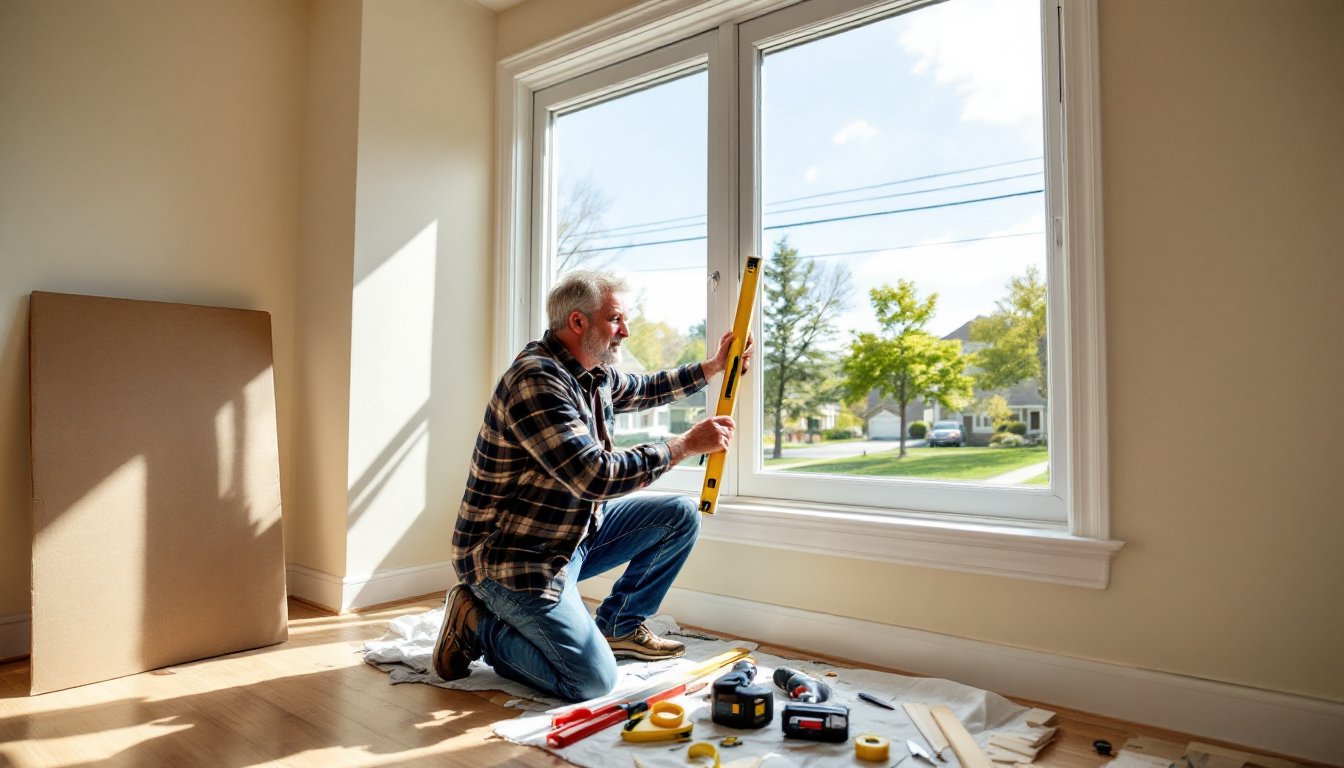
DIY insert window replacement is doable for moderately handy homeowners. You’ll need a cordless drill, level, shims, utility knife, caulk gun, and tape measure. Most manufacturers include installation instructions: the process involves removing interior stops, lifting out the old sash, inserting the new unit, shimming it level and plumb, securing with screws, insulating gaps with low-expansion foam, and reinstalling trim. Expect 2 to 4 hours per window your first time, dropping to 1 to 2 hours once you’ve done a few.
DIY saves $100 to $300 per window in labor, but mistakes can be costly. Common pitfalls include:
- Not checking for square: Use a framing square and measure diagonals. If they differ by more than 1/8″, the frame is racked, shim and adjust before securing.
- Over-tightening screws: This can bow the frame and prevent smooth operation. Snug screws just until the unit is secure.
- Skimping on flashing and weatherproofing: Apply self-adhesive flashing tape to the sill and jambs before setting the window. Improper flashing invites water infiltration and rot.
- Ignoring manufacturer torque specs: Some fiberglass or composite frames require specific screw spacing and depth to maintain warranty coverage.
Full-frame window replacement is a different animal. It involves removing interior and exterior trim, cutting through nails or screws holding the old jamb, prying out the frame, inspecting and repairing the rough opening, installing new flashing and a weather-resistant barrier (like Tyvek or Zip System sheathing), setting the new frame, insulating, and reinstalling trim. This is structural work that often requires a permit and involves load-bearing considerations, especially on second stories or around headers. Unless you have framing experience and the right tools (reciprocating saw, nail gun, caulking gun, shims, flashing tape, and possibly a helper for large units), hire a licensed contractor.
Safety is paramount for second-story or higher installations. Fall protection (harnesses, guardrails, or scaffolding) is required by OSHA standards for work above six feet. Ladders won’t cut it, invest in scaffolding rental ($100 to $200 per week) or hire pros with the proper equipment.
When hiring, get at least three quotes. Reputable installers should:
- Provide proof of liability insurance and workers’ comp coverage.
- Offer a written warranty on both materials and labor (5 to 10 years is standard).
- Pull permits and arrange inspections where required.
- Specify disposal, trim work, and finishing in the contract, no hidden fees.
Research contractors through verified review platforms or ask neighbors for referrals. Be wary of rock-bottom bids: they often signal shortcuts like skipping flashing, using incorrect fasteners, or inadequate insulation.
For mixed projects, say, replacing 10 windows, consider a hybrid approach: hire pros for complex or high installations and tackle ground-floor inserts yourself. This balances cost savings with safety and skill requirements.
Conclusion
Affordable window replacement isn’t about choosing the cheapest option, it’s about making informed trade-offs between materials, timing, and labor. Stock vinyl windows installed during the off-season, paired with DIY insert replacements where feasible, can cut total costs by 30% to 50% without sacrificing performance. Factor in rebates, verify rough opening dimensions before ordering, and don’t skip prep work or weatherproofing. Whether you’re swinging a hammer or writing a check to a contractor, the smartest savings come from planning ahead and understanding where every dollar goes.