Table of Contents
ToggleIf you’ve noticed drafts near your windows during Omaha’s frigid January mornings or watched your AC bill spike during humid July afternoons, you’re not alone. Many Omaha homeowners are discovering that their windows, especially those installed before 2000, are costing them more in energy bills than a replacement would. Window replacement in Omaha isn’t just about curb appeal: it’s a practical upgrade that addresses our unique climate challenges, from subzero winters to severe summer storms. This guide walks through everything local homeowners need to know: costs, product types, contractor selection, and the permitting process specific to the Omaha area.
Key Takeaways
- Window replacement in Omaha can reduce heating and cooling costs by 15-25% while improving home comfort and property value in a climate that experiences extreme temperature swings.
- Look for ENERGY STAR-certified windows with a U-factor below 0.30 and SHGC between 0.25-0.40 to handle Omaha’s humid continental climate effectively.
- Typical window replacement costs range from $400-$1,200 per window installed, with a full-home project averaging $5,000-$15,000 depending on window type, frame material, and installation complexity.
- Prioritize hiring licensed, locally-experienced contractors who provide detailed written estimates, separate labor warranties, and transparent information about full-frame versus insert replacement methods.
- Federal tax credits up to $600 per year and OPPD rebates can help offset window replacement expenses when you choose ENERGY STAR-certified products and submit documentation promptly.
Why Omaha Homeowners Are Replacing Their Windows
Omaha’s location in the Great Plains subjects homes to extreme temperature swings and weather events that older windows simply weren’t built to handle. Most homeowners replacing windows cite three primary drivers: energy efficiency, comfort, and property value.
Older single-pane windows and even early double-pane units from the 1980s and ’90s lack low-E coatings and proper gas fills. The result? Heat loss in winter and solar heat gain in summer that forces your HVAC system to work overtime. Replacing those windows typically reduces heating and cooling costs by 15-25%, depending on the condition of the originals.
Beyond energy savings, there’s the comfort factor. Drafty windows create cold spots near seating areas and make rooms feel clammy in summer even though running the AC. Modern replacement windows with proper seals and insulated frames eliminate those issues. They also reduce outside noise, a real benefit if you live near busy streets like Dodge or West Center Road.
Property value matters too. Updated windows increase curb appeal and are a strong selling point. Buyers in Omaha understand the climate demands, and they notice when windows are outdated or show condensation between panes, a sign of seal failure.
Climate Challenges and Energy Efficiency
Omaha’s climate is classified as humid continental, with winter lows averaging around 14°F in January and summer highs near 87°F in July. We also get severe thunderstorms, hail, and occasional tornadoes.
This temperature range demands windows with a U-factor below 0.30 for good thermal performance. The U-factor measures how well a window prevents heat from escaping: lower numbers mean better insulation. For Omaha, look for windows rated by the ENERGY STAR® Northern zone criteria.
Solar Heat Gain Coefficient (SHGC) is equally important. In summer, you want windows that block excessive heat while still allowing natural light. An SHGC between 0.25 and 0.40 balances those needs. Low-E coatings, microscopically thin metallic layers, reflect infrared light to keep heat in during winter and out during summer.
Impact resistance also matters. While Omaha isn’t in a hurricane zone, hail and windblown debris are real risks. Laminated glass or impact-resistant options add a layer of protection, though they’re not required by code for typical residential projects.
Types of Replacement Windows Best Suited for Omaha Homes
Choosing the right window type depends on your home’s architecture, your budget, and how much ventilation you want. Here are the most common options for Omaha window replacement projects:
Double-Hung Windows: The classic choice for most Omaha homes. Both the upper and lower sash move vertically, and modern versions tilt in for easy cleaning. They fit traditional and contemporary home styles. Look for models with fusion-welded vinyl frames, these hold up better in temperature swings than mechanically joined frames.
Casement Windows: Hinged on one side and operated with a crank, casement windows seal tightly when closed, making them excellent for energy efficiency. They’re ideal for areas where you want maximum ventilation, like over a kitchen sink. They also perform well in high winds because wind pressure pushes the sash tighter against the frame.
Sliding Windows: Operate horizontally on tracks. They’re a good fit for ranch-style homes and rooms where you don’t want a window swinging inward. Less energy-efficient than casements due to the sliding track, but still a solid choice with quality weatherstripping.
Bay and Bow Windows: Multi-panel windows that project outward, creating interior shelf space and expanding sight lines. They’re a bigger investment and typically require structural support adjustments. These work best in living rooms or dining areas where you want a focal point.
Awning Windows: Hinged at the top, opening outward from the bottom. Great for basements or bathrooms where you want ventilation even during light rain.
For frame material, vinyl dominates the Omaha market because it’s low-maintenance, affordable, and performs well in our climate. Fiberglass is stronger and more dimensionally stable but costs 20-40% more. Wood-clad windows (wood interior, aluminum or vinyl exterior) offer a traditional look but require more upkeep and are pricier still.
Glass packages should include double-pane insulated glass with argon or krypton gas fill. Triple-pane windows offer even better insulation but add significant cost and weight: they’re overkill for most Omaha homes unless you’re building to Passive House standards.
What to Expect: Window Replacement Costs in Omaha
Home window replacement in Omaha typically runs between $400 and $1,200 per window, including materials and professional installation. That’s a wide range, and here’s what drives the price:
- Window type and size: Standard double-hung windows in common sizes (24″ x 36″ to 36″ x 60″) are the most affordable. Custom sizes, bays, bows, and specialty shapes cost significantly more.
- Frame material: Vinyl is the budget option. Fiberglass adds 20-40%. Wood-clad can double the cost.
- Glass package: Basic double-pane with low-E coating is standard. Adding argon fill, triple-pane glass, or impact-resistant laminated glass increases the price.
- Installation complexity: First-floor windows are cheaper to install than second or third-story units. Brick or stone exteriors require more labor than vinyl siding. Rotted framing or sill repair adds cost.
For a typical Omaha home with 10-15 windows, expect a total project cost between $5,000 and $15,000. High-end projects with premium materials and extensive custom work can exceed $20,000.
Keep in mind that these are 2026 estimates. Material costs fluctuate with supply chain conditions, and labor rates vary by contractor. Always get at least three written quotes. Many reputable contractors provide free in-home estimates.
If budget is tight, prioritize windows on the north and west sides of your home, these see the harshest winter winds and summer sun. Replacing those first delivers the biggest comfort and efficiency gains. You can phase additional windows over time.
Choosing the Right Window Replacement Company in Omaha
Selecting a contractor is as important as choosing the windows themselves. A quality installation makes or breaks long-term performance. Here’s what to look for:
Licensing and Insurance: Nebraska doesn’t require a state-level contractor’s license for window replacement, but the company should carry general liability insurance and workers’ compensation. Ask for proof.
Local Experience: Companies familiar with Omaha’s climate and common home construction styles (lots of mid-century ranches and older bungalows with plaster walls) are better equipped to handle unexpected issues. Ask how long they’ve been operating locally.
Warranties: Quality window manufacturers offer 20-year to lifetime warranties on glass and frames. The installer should provide a separate labor warranty covering installation defects, typically 2-10 years. Get both in writing.
References and Reviews: Check online reviews and ask for references from recent projects. Drive by completed jobs if possible to see the quality of trim work and exterior finish.
Detailed Estimates: A good quote specifies window brand and model, glass package details, frame color, installation method (full-frame vs. insert replacement), and what’s included (trim, exterior caulking, interior finishing). Vague estimates are a red flag.
Installation Method: Full-frame replacement removes the entire window unit including the frame, allowing inspection and repair of rough openings. It’s the right choice if you have rotted sills or structural issues. Insert (or pocket) replacement fits a new window into the existing frame, faster and cheaper, but only viable if the existing frame is sound and square.
Avoid high-pressure sales tactics. Legitimate contractors don’t need to close the deal the same day. Take time to compare quotes and ask questions.
The Window Replacement Process: What Omaha Homeowners Should Know
Understanding the installation timeline and what happens at each step helps set realistic expectations.
1. Initial Consultation and Measuring (Week 1): The contractor visits your home to assess existing windows, discuss options, and take precise measurements. Accurate measurements are critical, a ¼” error can cause installation headaches.
2. Ordering Windows (Weeks 2-6): Lead times vary by manufacturer and season. Standard vinyl windows might arrive in 3-4 weeks: custom sizes or premium materials can take 6-8 weeks. Spring and early summer are peak seasons, so plan ahead.
3. Pre-Installation Prep (Day Before): Move furniture and window treatments away from work areas. Cover nearby items with drop cloths. If the contractor is doing full-frame replacement, expect more disruption than with insert windows.
4. Removal and Installation (1-3 Days): For a typical 10-window project, expect 1-2 days of active work. The crew removes old windows, inspects rough openings, makes any necessary framing repairs, installs new windows, insulates gaps with low-expansion foam, and finishes interior and exterior trim. Proper flashing and sealant application around the exterior perimeter is essential to prevent water intrusion, this is where many DIY jobs and low-bid contractors cut corners.
5. Cleanup and Final Inspection (Same Day): The crew should haul away old windows and construction debris. Walk through with the installer to check operation, locking mechanisms, and finish work. Test each window, open, close, lock, and tilt (if applicable).
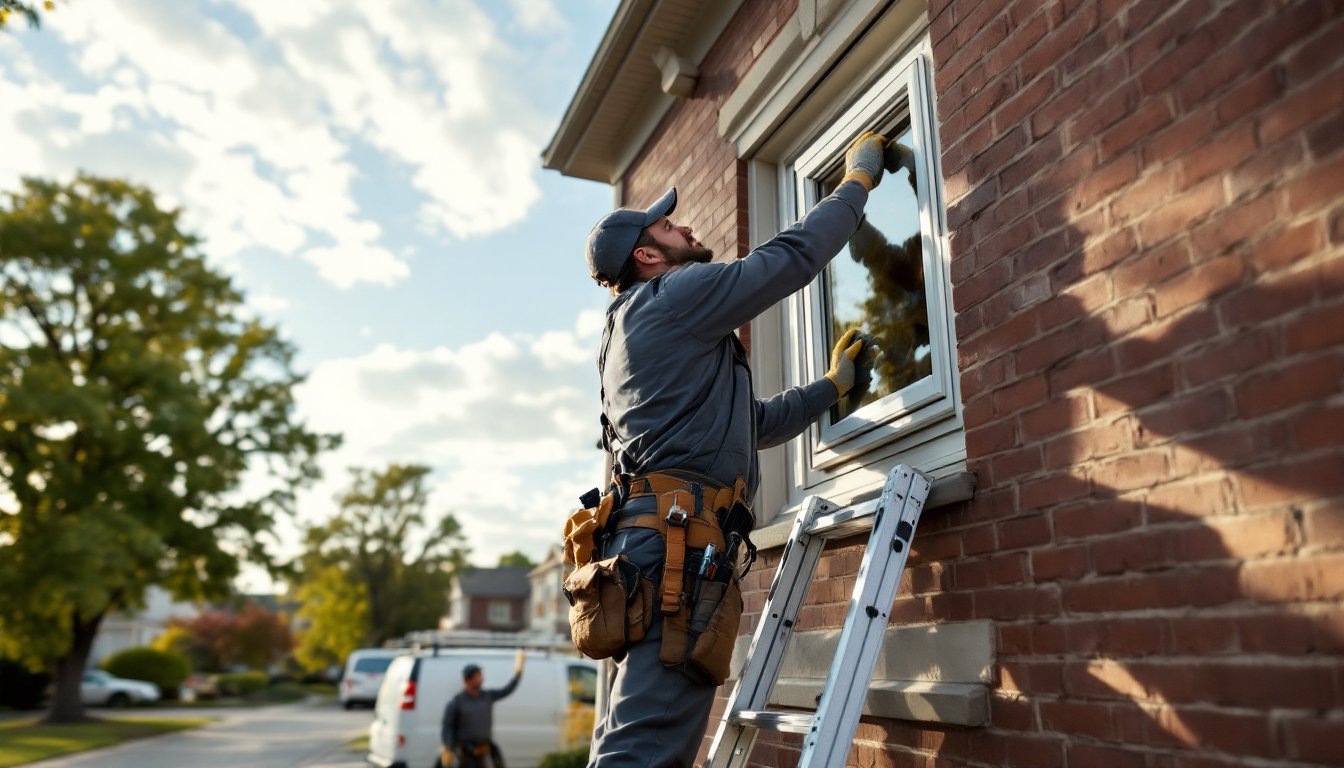
Safety note: Professional installation eliminates the risks of working at heights and handling large, heavy glass units. That said, if you’re determined to DIY, wear cut-resistant gloves and safety glasses, work with a partner for anything above the first floor, and use proper scaffolding or ladder stabilizers, never lean out from a ladder while holding a window.
Permits, Rebates, and Incentives for Window Replacement in Omaha
Permits: In Omaha, replacing windows in existing openings (same size, same location) typically does not require a building permit. But, if you’re enlarging window openings, cutting into load-bearing walls, or changing egress windows in bedrooms (which must meet minimum size requirements per IRC for emergency escape), you’ll need a permit from the City of Omaha Building Safety Division. When in doubt, call the permit office at (402) 444-5330 or check the city website. Permits ensure work meets code and protects your home’s resale value.
Energy Rebates and Incentives: As of 2026, several programs can offset window replacement costs:
- Federal Tax Credits: The Inflation Reduction Act extended tax credits for ENERGY STAR-certified windows. Homeowners can claim up to $600 per year for qualifying exterior windows and skylights. Save your receipts and the manufacturer’s certification statement.
- Omaha Public Power District (OPPD) Rebates: OPPD occasionally offers rebates for energy-efficient home upgrades. Check their current residential programs for window-specific incentives. Rebate amounts and availability change, so verify before starting your project.
- Utility On-Bill Financing: Some Omaha-area utilities partner with financing programs that let you repay upgrade costs through your utility bill, with savings offsetting payments.
To maximize rebates, choose windows that meet or exceed ENERGY STAR Northern zone ratings and keep all documentation. Submit rebate applications promptly, many have deadlines within 60-90 days of installation.
Also, check if your homeowner’s insurance offers any premium reductions for impact-resistant windows or other storm-hardening upgrades. It’s a long shot, but worth a phone call.