Table of Contents
ToggleThe tiny home Airbnb market has exploded over the past few years, and 2026 is shaping up to be the year where smart property owners cash in on this trend. Travelers are hunting for unique stays that feel more authentic than cookie-cutter hotels, and a well-designed tiny house checks every box: novelty, Instagram appeal, and the charm of off-grid living without the commitment. Building a tiny house rental isn’t a weekend project, but it’s more accessible than adding a full ADU or second home. This guide walks through the practical side of planning, building, permitting, and profiting from a tiny house Airbnb on your property.
Key Takeaways
- Tiny house Airbnb properties offer faster ROI and lower upfront costs ($40,000–$100,000) than traditional rental properties or full home additions, recoverable in 2–4 years at solid occupancy rates.
- Location proximity to attractions, trails, beaches, or charming towns is the primary driver of tiny house Airbnb profitability—more important than design alone.
- Professional photography, bold cohesive design, and strong outdoor amenities are essential to stopping scrolling guests and commanding premium nightly rates ($150–$300+).
- Zoning laws and short-term rental regulations vary dramatically by jurisdiction; contact your local planning department early and consider working with a familiar contractor to avoid costly permitting delays or delisting.
- Successful tiny house Airbnb operations require ongoing maintenance, strategic dynamic pricing, cross-platform listing, and personalized guest touches like welcome baskets to generate five-star reviews and repeat bookings.
Why Tiny House Airbnbs Are Booming Right Now
Short-term rental guests are willing to pay premium rates for experiences they can’t get at a Holiday Inn. A tiny house delivers novelty, privacy, and a dose of minimalist lifestyle fantasy. According to rental data, unique properties consistently outperform traditional listings in occupancy rates and nightly pricing.
The pandemic shifted traveler preferences toward private, secluded accommodations, and that demand hasn’t slowed. Guests want outdoor access, separation from crowded spaces, and something worth posting online. A tiny house Airbnb sitting in a wooded backyard or rural acreage hits all three.
From a property owner’s perspective, tiny houses offer faster ROI than traditional rental properties. Construction timelines run 3–6 months depending on complexity and whether you’re building from scratch or using a prefab shell. Upfront costs are a fraction of what you’d spend on a full addition or separate dwelling, and zoning often treats them differently than permanent structures, though that varies widely by jurisdiction.
The barrier to entry is lower than most people think. You don’t need carpentry mastery to assemble a prefab unit or coordinate subcontractors for electrical, plumbing, and finish work. What you do need is a clear plan, realistic budget, and patience for the permitting process.
Planning Your Tiny House Airbnb Project
Choosing the Right Location and Property
Location drives profitability more than any design flourish. Tiny house Airbnb success hinges on proximity to attractions, vineyards, hiking trails, beaches, national parks, or charming small towns. Urban backyards work if the neighborhood has walkable appeal or quirky local culture. Rural settings work if there’s a destination reason to visit.
Check your property’s access to utilities before committing. Running electrical service 200+ feet from your main panel gets expensive fast. Same goes for water and sewer. If municipal hookups aren’t feasible, plan for a well, septic system, or composting toilet setup. Off-grid systems (solar panels, rainwater collection, propane) add upfront cost but appeal to the eco-conscious traveler demographic.
Consider sight lines and privacy. Guests paying $150–$300 per night don’t want to stare at your garage or hear your dog barking at 6 a.m. Position the tiny house where it feels separate, even if it’s only 50 feet from your main residence. Landscaping, fencing, or natural tree buffers go a long way.
Budget Breakdown: What It Really Costs to Build
Budgets vary wildly depending on whether you’re buying a turnkey model, a shell to finish yourself, or building from the ground up. Here’s a realistic breakdown for a 200–400 square foot rental-ready tiny house:
- Prefab shell (unfinished): $20,000–$40,000
- DIY build (materials only): $15,000–$30,000
- Turnkey prefab (move-in ready): $50,000–$90,000
- Site prep and foundation: $2,000–$8,000 (gravel pad, piers, or concrete slab)
- Utilities hookup: $3,000–$12,000 (electrical, water, septic or composting system)
- Interior finishes and furnishings: $5,000–$15,000
- Permits and inspections: $500–$3,000 (highly variable by jurisdiction)
Total cost typically lands between $40,000 and $100,000 for a finished, guest-ready unit. That’s competitive with other income-generating property improvements and recoverable within 2–4 years at solid occupancy rates.
Don’t skip the contingency fund. Budget an extra 10–15% for surprises, weather delays, material price swings, or code requirements you didn’t anticipate. Tiny house projects have fewer variables than full home builds, but they’re not immune to cost creep.
Design Elements That Make Tiny House Rentals Stand Out
Airbnb guests scroll fast. Your listing photos have about three seconds to stop the thumb. That means bold design choices, natural light, and a cohesive aesthetic matter more than square footage.
Maximize vertical space. Lofted sleeping areas free up floor space and add visual interest. Install a sturdy ladder or staircase with integrated storage, guests appreciate drawers built into stair risers. Use open shelving, pegboards, or wall-mounted hooks to keep surfaces clear. Clutter kills the tiny house vibe.
Prioritize windows. A tiny house with skimpy fenestration feels like a camper. Large windows, French doors, or even a full glass wall blur the line between indoors and out. Skylights over sleeping lofts reduce the cave effect. Natural light makes small spaces feel double their actual size.
Go bold or go neutral, don’t waffle. Scandinavian minimalism, rustic modern, boho desert, coastal cottage, pick a lane and commit. Many successful tiny home Airbnb listings lean into a strong design theme that photographs well and appeals to a specific traveler type. Mismatched IKEA furniture and builder-grade finishes don’t cut it.
Invest in the kitchen and bathroom. Guests forgive a lofted bed but not a sad kitchenette or cramped shower. A two-burner induction cooktop, apartment-size fridge, and farmhouse sink deliver functionality without eating space. For the bathroom, a 32-inch neo-angle shower with tile surround and a wall-hung vanity keeps things open. Composting toilets work, but only if you’re targeting the off-grid adventurer crowd, most guests expect a flush toilet.
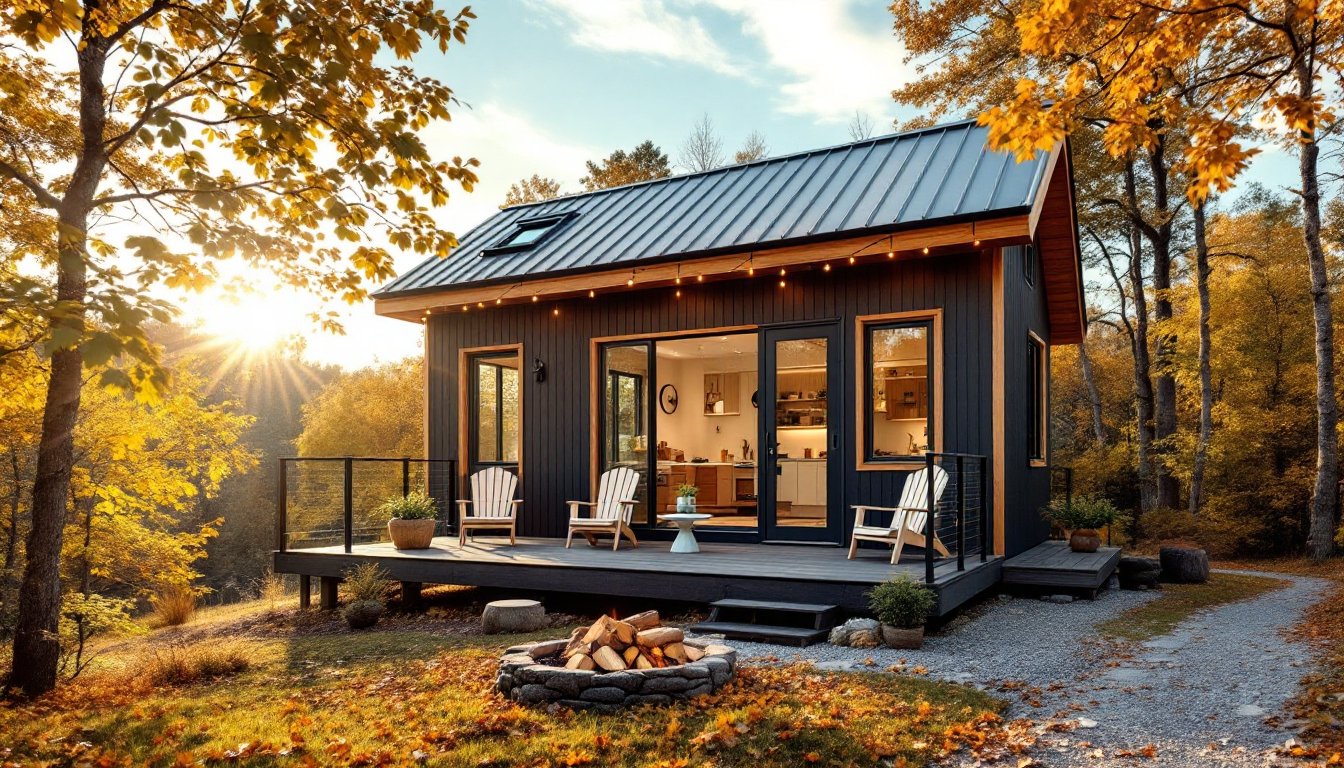
Outdoor living is part of the package. A deck, fire pit, or covered porch extends usable space and creates those sunset photo ops guests crave. Budget $2,000–$5,000 for a simple deck using pressure-treated 2×6 decking on 4×4 posts. Add string lights, Adirondack chairs, and a propane fire pit for maximum bookability.
Navigating Zoning Laws and Rental Regulations
This is where most DIYers hit a wall, and where cutting corners can cost you. Zoning laws, building codes, and short-term rental (STR) regulations vary dramatically by city and county. What’s allowed in one ZIP code might be illegal two miles away.
Start by contacting your local planning or zoning department. Ask three specific questions:
- Are accessory dwelling units (ADUs) or tiny houses permitted on my property?
- What’s the minimum square footage and setback requirements?
- Are short-term rentals allowed, and do I need a special permit or business license?
Some jurisdictions classify tiny houses on permanent foundations as ADUs, which may be allowed under recent state legislation (California, Oregon, and Washington have been ADU-friendly). Others treat them as RVs or temporary structures, which may not be rentable or require different permitting.
Building codes still apply. Even if your tiny house is under 400 square feet, electrical work must meet National Electrical Code (NEC) standards, plumbing must comply with local codes, and structural elements must meet International Residential Code (IRC) requirements for wind and snow loads. If you’re doing the work yourself, plan on inspections for framing, electrical rough-in, plumbing, and final.
Short-term rental regulations are evolving fast. Some cities cap STR permits, require owner occupancy on the same parcel, or ban them outright in residential zones. Others welcome them with open arms and minimal red tape. Don’t assume you can list first and ask forgiveness later, platforms like Airbnb will delist properties that violate local STR laws, and fines can run into the thousands.
Consider working with a local contractor or architect familiar with tiny house and ADU projects. They’ll know the code shortcuts, which inspectors are sticklers, and how to frame your application for fastest approval. As noted in recent real estate development coverage, zoning interpretation often hinges on how you present your project, not just what you’re building.
Setting Up and Marketing Your Tiny House Listing
Once construction wraps and you’ve passed final inspection, the real work begins: making your tiny house bookable and profitable.
Photography is non-negotiable. Hire a professional with experience shooting Airbnb properties. Budget $200–$500 for a shoot. They’ll know how to use wide-angle lenses without distorting the space, capture golden hour exterior shots, and style the interior for maximum appeal. DIY phone photos tank your listing performance.
Write a compelling description that highlights uniqueness. Skip the generic “cozy retreat” language. Be specific: “Scandinavian-inspired tiny house with floor-to-ceiling windows, wood-fired hot tub, and direct trail access.” Mention what’s within a 10-minute drive. List quirky amenities, record player, telescope, hammock, outdoor shower. Many guests filter searches by these details.
Price strategically, not emotionally. Research comparable tiny house Airbnb listings within 25 miles. Check their calendars to see actual occupancy, not just listed rates. Start slightly below market to build reviews fast, then adjust upward as your rating climbs. Use dynamic pricing tools (Airbnb’s Smart Pricing or third-party apps like PriceLabs) to adjust for weekends, holidays, and local events.
Automate what you can, personalize what matters. Invest in a keyless smart lock so you’re not coordinating check-ins manually. Stock the tiny house with essentials, toilet paper, paper towels, coffee, basic spices. Many successful hosts add a welcome basket or local treats. These small touches generate five-star reviews.
Prepare for maintenance. Tiny houses see heavier wear per square foot than traditional homes. HVAC filters clog faster, septic systems need more frequent pumping, and finishes take a beating. Budget for a mini-split heat pump ($1,500–$3,000 installed) for efficient heating and cooling. Plan on a deep clean and inspection between every guest. Following home organization best practices helps keep your rental in top shape with minimal effort.
Promote beyond Airbnb. Cross-list on VRBO, Hipcamp (if your property suits outdoor enthusiasts), or Glamping Hub. Build an Instagram presence showcasing the space, your property’s surroundings, and guest experiences (with permission). Word-of-mouth and direct bookings reduce platform fees and build a repeat guest base.