Table of Contents
ToggleEver pulled a warped plastic container or cloudy glass from the dishwasher and wondered what went wrong? The culprit’s usually ignoring, or misreading, the dishwasher safe symbol stamped on the bottom. These tiny icons aren’t just suggestions: they’re your roadmap to keeping cookware, storage containers, and serving dishes intact through hundreds of wash cycles. With manufacturers using different symbols and no universal standard, knowing how to spot and interpret these markings saves money, prevents damage, and takes the guesswork out of loading the dishwasher. This guide decodes every variation you’ll encounter on kitchen items in 2026.
Key Takeaways
- The dishwasher safe symbol typically shows dishes under water droplets or spray lines, but lacks universal standardization across manufacturers, requiring careful inspection of product markings.
- Modern dishwashers reach 130-170°F during wash cycles, and ignoring dishwasher safe symbols costs homeowners hundreds annually in damaged cookware, warped containers, and compromised coatings.
- Top rack only symbols indicate placement restrictions because the bottom rack experiences 20-30°F higher temperatures and more direct heat exposure, critical for plastic containers and delicate glassware.
- Always inspect the bottom, underside, handles, and lids of items individually for the dishwasher safe symbol, as manufacturers test products under specific conditions before stamping approval.
- Ignoring dishwasher safe markings causes predictable damage including plastic warping, non-stick coating blistering, permanent glass etching, and filter clogs that require expensive service calls.
- When markings are absent, hand washing is safer than testing unmarked items, especially for anything with wood, metallic trim, painted designs, or sentimental value over $20.
What Does the Dishwasher Safe Symbol Look Like?
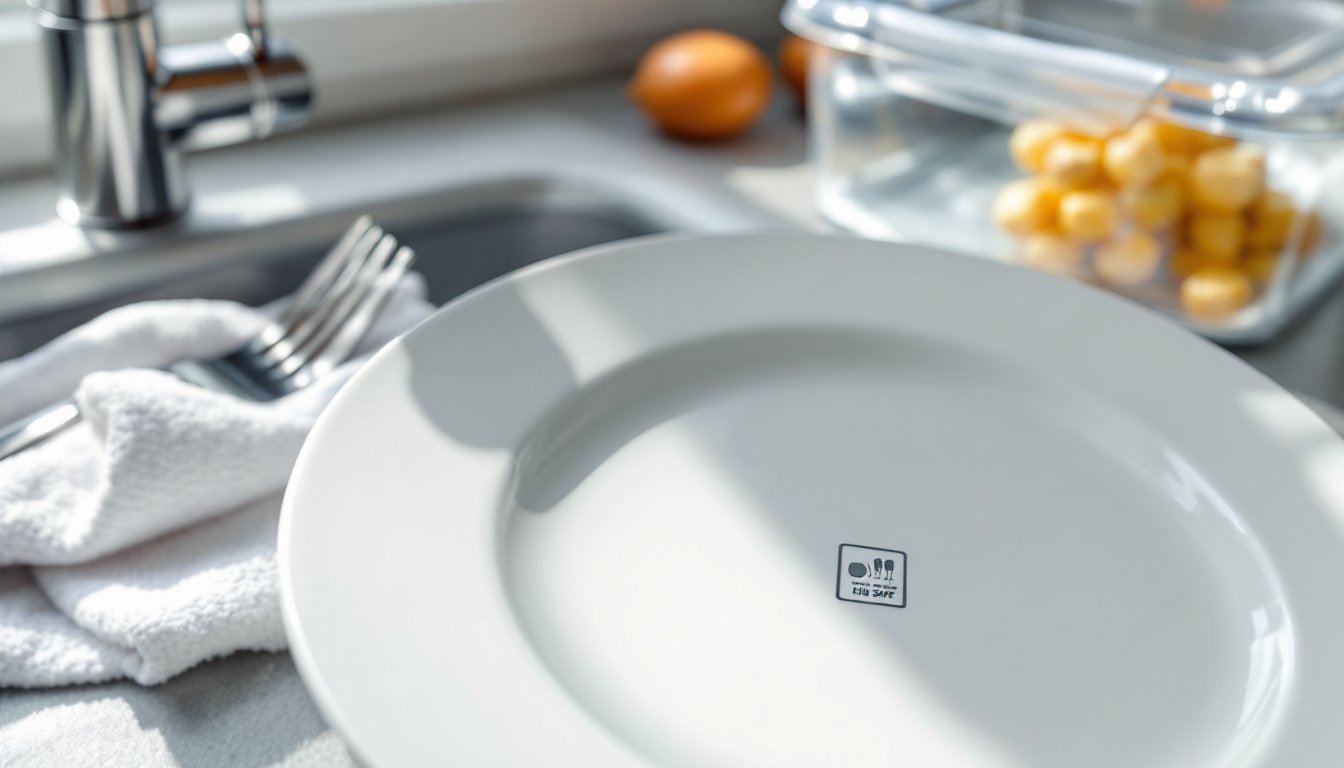
The dishwasher safe logo typically shows dishes under water droplets or spray lines, though no single design is mandated by law. The most common version features a square outline containing stylized plates or glasses with diagonal lines representing water streams above them. Some manufacturers use a simplified icon showing just a wine glass and plate combo with droplets.
You’ll also see variations like dishes inside a dishwasher rack outline, or water waves cascading over kitchenware. European imports sometimes display a different style, plates with water symbols but no border. The lack of standardization means two items from different brands might use completely different images to convey the same thing.
What is the symbol for dishwasher safe eventually depends on who made the product. Glass manufacturers often use clearer, more detailed graphics, while plastic container brands tend toward minimalist line drawings. If you spot dishes with any water-related imagery stamped on the bottom, that’s your green light, just verify it’s not crossed out with an X or slash, which indicates the opposite.
Color doesn’t matter much for interpretation. Most symbols appear as simple black stamps, embossed plastic, or etched marks. The shape and water imagery do the heavy lifting in communication.
Why Understanding Dishwasher Safe Symbols Matters
Misreading or ignoring dishwasher symbols costs homeowners hundreds in replaced cookware each year. Modern dishwashers reach 130-170°F during the main wash cycle, with heated dry cycles pushing temperatures even higher. Materials not designed for this environment warp, crack, or degrade, sometimes releasing chemicals into your food storage.
Plastic containers are the biggest offenders. Non-dishwasher-safe plastics soften at high temps, losing their shape and structural integrity. That warped lid that won’t seal anymore? It probably went through heat it wasn’t rated for. Even worse, some plastics leach BPA or phthalates when heat-stressed, though this risk has decreased with newer manufacturing standards.
Wooden items, delicate glassware, and certain metals like aluminum or copper require hand washing to prevent discoloration, pitting, or finish damage. Cast iron loses its seasoning in the dishwasher, and non-stick coatings can break down from harsh detergent exposure combined with heat.
Knowing how to tell if something is dishwasher safe also protects your dishwasher itself. Items that shed material, like low-quality painted ceramics, can clog filters and spray arms. And stacking non-rated glassware that shatters mid-cycle creates a cleanup nightmare involving tiny shards throughout the entire machine.
The symbols exist because manufacturers tested their products under specific conditions. Following their guidance means items last years instead of months, and you’re not constantly replacing kitchenware that failed prematurely.
Common Variations of Dishwasher Safe Symbols
Dishwasher symbols explained reveal several standard designs beyond the basic water-and-dishes icon. A circled number (often 60 or 70) indicates the maximum safe temperature in Celsius, 60°C equals 140°F, which matches most normal wash cycles. Higher numbers mean the item tolerates sanitize cycles.
Some European brands use a stylized dishwasher machine outline with an open door, showing racks inside. Asian manufacturers sometimes employ a simple bowl-and-water graphic without any border. Text-based markings like “Dishwasher Safe” or “Spülmaschinenfest” (German) also appear, especially on higher-end cookware.
The no dishwasher symbol, dishes with water and a large X or diagonal slash through it, means hand wash only. Don’t test this. Items marked this way typically have components that dissolve adhesives, wood elements, or heat-sensitive finishes. Ignoring this marking voids most manufacturer warranties.
A fork and knife crossed under a wine glass indicates food-safe material but doesn’t confirm dishwasher safety. That’s a separate certification. Always look for the dishwasher safe icon specifically if you plan to machine wash.
Top Rack Only Symbols
The top rack dishwasher safe symbol shows the standard dishes-and-water graphic with an additional upward arrow or the words “Top Rack Only.” This placement restriction matters because the bottom rack sits closest to the heating element, exposing items to the most intense heat during both wash and dry cycles.
Plastic containers almost always require top rack placement. The temperature differential between racks can be 20-30°F, enough to warp polypropylene or polyethylene that would survive on the upper level. Delicate glassware and insulated tumblers also get top-rack-only ratings due to heat sensitivity or vacuum-seal concerns.
Some symbols show a rack outline with a highlighted top section, or dishes positioned in the upper third of a square. According to product testing standards, manufacturers determine rack placement based on repeated heat exposure tests, so this isn’t a suggestion, it’s a tested limit.
If you’re cramming a top-rack-only item into the bottom to save space, expect damage. The heat is too direct, and heavier water pressure from spray arms below can also dislodge lightweight plastics, sending them into the heating element where they melt and ruin both item and dishwasher.
How to Find Dishwasher Safe Markings on Your Items
How to know if something is dishwasher safe starts with checking the bottom or underside of any kitchen item. Manufacturers stamp symbols on bases, along rim edges, or on the back of handles. Flip over plates, turn mugs upside down, and check inside bowl rims.
On plastic storage containers, the dishwasher symbol typically appears molded into the bottom alongside recycling codes. It’s often small, less than a half-inch across, and may be the same color as the container, making it easy to miss. Angle the item under good lighting to spot embossed marks.
Glassware markings sometimes hide on the base in etched or sandblasted text. Use a flashlight to check for tiny icons if you don’t spot anything immediately. Handles on pots and pans occasionally have stamped symbols, though stainless steel cookware often omits them entirely since most quality stainless is dishwasher-safe by default.
If multiple checks turn up nothing, look for original packaging or manufacturer websites. Many brands now include downloadable care guides with full symbol explanations. As noted in home care guides, checking product specs online before first use prevents guessing games later.
Lids deserve separate inspection, some container systems have dishwasher-safe bases but hand-wash-only lids due to valve mechanisms or seal materials. Always verify each component individually.
For vintage or inherited items without any markings, assume hand wash unless you can confirm the material and construction meet modern dishwasher standards. Better safe than replacing a family heirloom.
What Happens If You Ignore Dishwasher Safety Symbols
Running non-dishwasher-safe items through a cycle causes predictable damage patterns. Plastic containers warp into unusable shapes, especially at the corners and edges where thinner material sits. Lids lose their seal-ability when rims deform, turning airtight storage into leaky messes.
Wooden cutting boards and utensils crack and split as dishwasher heat drives out moisture, then reabsorb water unevenly during cooling. The wood grain separates, creating bacterial harbors in the cracks. Finishes and oils that protect wood dissolve in hot water mixed with harsh detergents.
Non-stick coatings blister and peel when exposed to the high-alkaline environment of dishwasher detergent pods. Once compromised, these coatings continue degrading and may flake into food. Aluminum items develop a chalky white oxidation layer that’s nearly impossible to remove, and anodized finishes turn dull gray.
Delicate glassware etches permanently, a cloudy, rough surface texture caused by the glass literally dissolving at a microscopic level. This process is irreversible. Crystal stemware can crack from thermal shock when cold rinse water hits surfaces heated to 150°F+ during the dry cycle.
Insulated tumblers lose their vacuum seal when heat penetrates the space between walls, turning a cold-keeper into a regular cup. Painted or decorated ceramics fade as designs break down, and metallic trim literally washes away. According to appliance care research, these aren’t gradual changes, damage often happens in just one or two cycles.
Beyond item damage, melted plastics and degraded materials clog dishwasher filters, reducing cleaning performance and forcing expensive service calls. Shattered glass creates safety hazards and can damage pump mechanisms.
Testing Unmarked Items for Dishwasher Safety
When you can’t find any marking and online research fails, a cautious test run can reveal dishwasher tolerance, but only attempt this with items you’re willing to lose. Start by running the unmarked piece through a short, cool wash cycle without heated dry. Use the rinse or light wash setting, typically around 120-130°F.
After this first gentle test, inspect carefully for any warping, color changes, loosened adhesives, or finish degradation. If the item passes, try one normal cycle with heated dry on the top rack only, positioned where it won’t contact other items if it warps. Check again immediately after the cycle completes.
Some materials give obvious clues without testing. Solid stainless steel, tempered glass, and pure ceramic generally handle dishwashers unless they have non-dishwasher-safe decorative elements. Avoid testing anything with:
• Wood components or handles
• Painted or transfer-printed designs (versus kiln-fired glazes)
• Metallic trim, especially gold or silver leaf
• Adhesive-attached parts like rubber grips
• Hollow handles that can trap water
• Delicate or antique status
For plastics without recycling codes or symbols, assume hand wash. The risk isn’t worth a $3 container. If an item has sentimental or monetary value exceeding $20, don’t test it, hand wash instead.
Professional-grade cookware often skips consumer symbols entirely but includes care instructions in documentation or stamped brand websites. When in doubt, a 30-second web search for “[brand name] [item type] dishwasher safe” usually surfaces the answer faster than trial-and-error testing.
Remember that just because something survives the dishwasher doesn’t mean it should become routine. Repeated exposure to heat and harsh detergent degrades even tough materials over time. Hand washing adds maybe 60 seconds per item but can extend lifespan by years.