Table of Contents
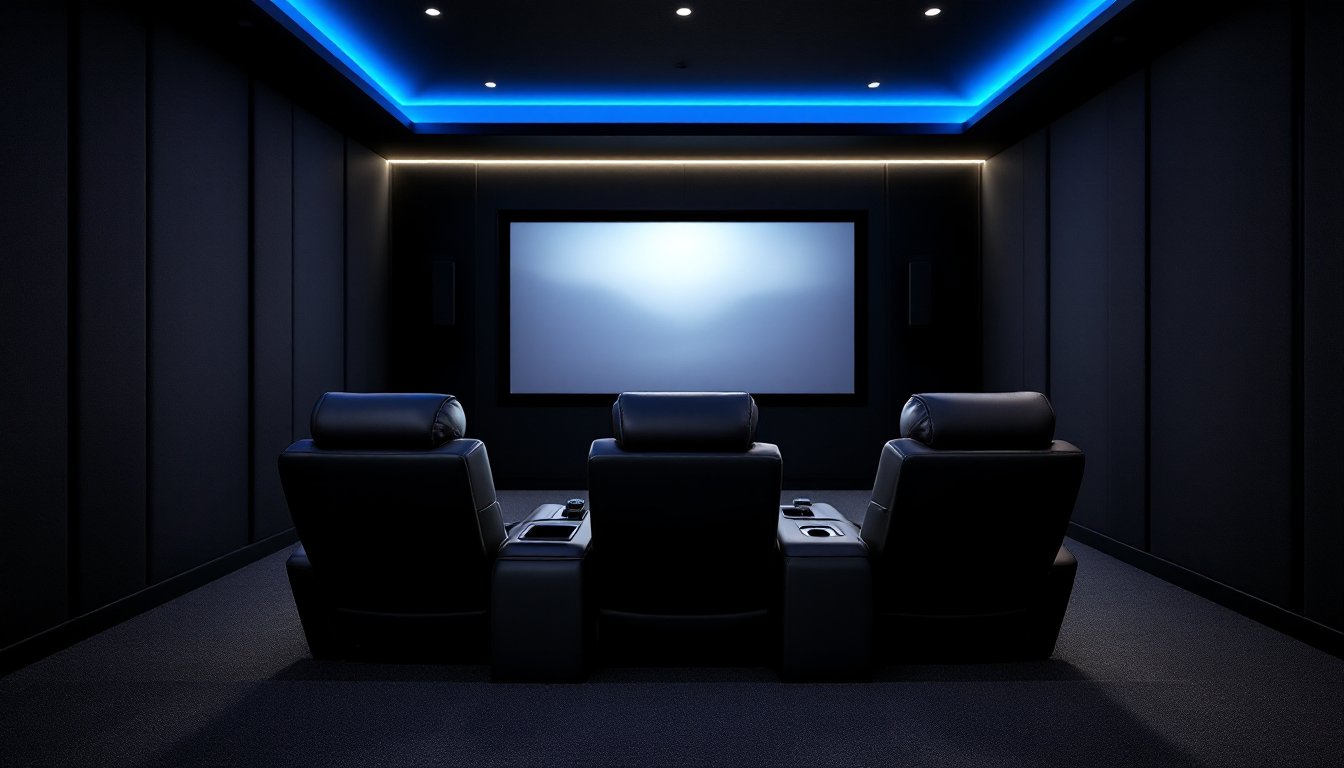
ToggleBuilding a home theater means more than mounting a projector and calling it done. The seating determines whether anyone actually wants to spend three hours watching a film in the basement, or if they’d rather sit on the living room couch. Home theater recliners combine comfort, functionality, and space efficiency, turning a media room into a legitimate alternative to commercial cinemas. They’re purpose-built for long viewing sessions, with features standard furniture can’t match. This guide walks through what makes these recliners different, how to choose the right ones for a space, and how to install them without creating awkward sightlines or traffic jams.
Key Takeaways
- Home theater recliners are engineered specifically for extended viewing with features like power mechanisms, headrest support, and USB charging that standard furniture lacks, making them essential for dedicated media rooms.
- Power recliners operate quietly without blocking sightlines and require 14-gauge electrical wiring, while manual recliners cost less but need more rear clearance and create distracting noise during movies.
- Proper row spacing of 36-42 inches between seats allows viewers to recline fully without blocking those behind them, and aisles must meet local building codes for safe egress.
- High-density foam (1.8-2.0 lb/ft³), hardwood or steel frames, and performance fabrics treated with stain-resistant coatings ensure home theater recliners withstand regular use better than residential furniture.
- Viewing distance should be 1 to 1.5 times the screen width, so measure your room before purchasing and plan electrical outlets, doorway access, and HVAC vent positioning to maximize comfort and safety.
- Test every recliner’s function before final placement and level each seat carefully using plastic shims, as improper setup during a two-hour movie significantly impacts the viewing experience.
What Are Home Theater Recliners and Why You Need Them
Home theater recliners are specialized seating designed specifically for extended viewing sessions. Unlike living room recliners, they prioritize features that matter during a two-hour movie: headrest support, armrest cup holders, smooth reclining mechanisms that don’t obstruct views, and often built-in USB charging ports.
The key difference comes down to ergonomics and spatial planning. Standard furniture wasn’t designed for fixed viewing angles or tiered seating arrangements. Theater recliners account for sightlines, aisle clearance (typically 36 inches minimum for safe egress), and row-to-row spacing that prevents the person in front from blocking the screen when reclined.
Most models feature power reclining mechanisms that deploy quietly without the viewer having to push off with their feet, critical when seating is arranged in close rows. Manual recliners work, but they require more clearance behind each seat and create noise during operation.
They’re also built for durability under consistent use. Commercial-grade home theater seating often includes reinforced frames, higher-density foam (1.8 lb/ft³ or greater), and stain-resistant upholstery that can handle popcorn butter and spilled drinks better than residential furniture.
Anyone planning a dedicated media room should consider these instead of repurposing living room furniture. The investment makes sense if the space will see regular use, weekend movie nights, gaming sessions, or sports viewing. For occasional use in a multipurpose room, standard recliners or sectionals might suffice.
Key Features to Look for in Home Theater Recliners
Not all theater seating performs equally. The right features depend on how the room gets used, who’s using it, and what the budget allows.
Reclining Mechanisms and Comfort Options
Power recliners use electric motors to adjust the backrest and footrest independently. Most operate on a two-button control: one for the backrest, one for the legrest. Three-motor systems add lumbar adjustment. Expect to run 14-gauge electrical wire to each seat during installation, which means planning wire runs before finalizing placement.
Manual recliners use a lever or pull-tab mechanism. They cost less and don’t require electrical work, but they need more rear clearance, typically 8-12 inches between the wall and the seat back when upright. They also make noise when actuated, which can be distracting mid-movie.
Zero-gravity or infinite position recliners allow the seat to recline fully flat, distributing weight evenly across the body. These work well for long viewing sessions or if someone wants to nap during a marathon. They require more floor space per seat, so measure carefully.
Look for adjustable headrests and lumbar support. Fixed headrests don’t accommodate different body heights, leading to neck strain during long films. Adjustable versions let each viewer dial in the right angle.
Some models include massage and heating functions. These add comfort but also complexity, more motors mean more potential failure points. Weigh the upfront cost against long-term maintenance.
Materials, Upholstery, and Durability
Top-grain leather offers durability and a premium look but requires conditioning to prevent cracking. It also gets cold in unheated basements and can feel sticky in humid climates without proper HVAC.
Bonded leather costs less but peels and cracks within 3-5 years under regular use. It’s leather scraps bonded to a polyurethane backing, not a long-term solution for dedicated theater seating.
Performance fabrics (like microfiber or polyester blends) resist stains better than natural fibers and don’t require the maintenance leather demands. Many high-end models now use fabrics treated with stain-resistant coatings that repel liquids, which matters when dealing with spilled soda.
Check the frame construction. Hardwood or steel frames last: particleboard and softwood frames sag. If the manufacturer doesn’t specify frame material, that’s a red flag.
Foam density matters for longevity. High-resilience foam (1.8-2.0 lb/ft³) holds its shape: cheaper foam compresses into a permanent dent within a year. Sit in the chair for at least five minutes before buying, if it already feels too soft in the showroom, it’ll be worse after six months of use.
Cup holders and storage consoles should be removable or easy to clean. Built-in features that can’t be disassembled become grime traps.
How to Choose the Right Size and Configuration for Your Space
Measure the room before shopping. The biggest mistake DIYers make is buying seating that physically fits but creates unusable aisles or blocks doors.
Start with the viewing distance. For a 4K screen, the ideal distance is 1 to 1.5 times the screen width. For a 120-inch diagonal screen (104 inches wide), that’s roughly 9-13 feet. Position the first row at the minimum distance and subsequent rows behind it.
Row spacing should allow the person in front to recline fully without their headrest blocking the person behind them. Most manufacturers recommend 36-42 inches between rows, measured from the back of one seat to the front of the next. Tighter spacing works for smaller recliners but verify the fully reclined footprint first.
Aisle width needs to meet local building codes for egress, especially in finished basements. Many jurisdictions require 36 inches minimum for main aisles and 18-24 inches for side aisles. Check local codes, an inspector can require removal of improperly spaced seating.
Count seats realistically. A 12×16-foot room might physically hold eight recliners, but if that leaves no room to walk or access storage, it’s too many. Start with four seats and add more only if the layout still feels open.
Consider curved or straight rows. Curved rows focus attention on the screen and create a more immersive feel but require more floor space and custom ordering. Straight rows are easier to arrange and allow for modular additions later.
Seat width typically ranges from 22-26 inches. Wider seats are more comfortable but reduce total capacity. A three-seat loveseat configuration spans roughly 75-80 inches, so plan accordingly when measuring wall-to-wall dimensions.
If the room has a riser or platform for tiered seating, build it before ordering chairs. The riser height (typically 8-12 inches) affects sightlines and determines whether rear-row viewers can see over the front row. Many home theater layouts use an 8-inch riser for a two-row configuration.
Account for doorways and access points. Recliners ship in large boxes: some won’t fit through a standard 32-inch doorway without removing the backrest. Check the disassembled dimensions before ordering.
Installation and Placement Tips for Maximum Enjoyment
Installation difficulty depends on whether the recliners are power or manual and whether they’re freestanding or row-connected.
Power recliners require electrical outlets within reach of each seat. Run 14/2 Romex to dedicated outlets if the existing room layout doesn’t support enough receptacles. Some installers run outlet strips under risers or along the rear wall, but ensure they’re accessible for maintenance. Don’t daisy-chain power strips, fire hazard.
If installing on carpet, use furniture coasters or pads under each leg to distribute weight and prevent deep impressions. On hard floors, felt pads prevent scratching and make repositioning easier.
Anchoring seats to the floor isn’t usually required for residential installations, but it prevents shifting and maintains row spacing. Some manufacturers include floor brackets: others sell them separately. Use #10 wood screws into floor joists for wood subfloors or concrete anchors for slab installations. If drilling into a finished basement floor, verify there are no radiant heating lines or conduit below.
Leveling matters more than most DIYers expect. A seat that’s even slightly off-level will feel wrong during a two-hour movie. Use a 4-foot level across the row to check. Shim as needed with plastic leveling shims, don’t use cardboard or wood scraps, which compress.
Position seats to avoid HVAC vents blowing directly on viewers. A cold draft or hot air stream hitting someone’s head ruins the experience. Redirect vents or reposition the row if possible.
Acoustic panels and wall treatments should go up before seating placement is finalized. The chair backs can interfere with panel installation, and the upholstery itself affects room acoustics. Plan the full layout in advance.
If using a subwoofer, keep it away from the seating. Bass frequencies cause vibrations that feel great during action scenes but can rattle lightweight recliners and create unwanted noise. Place the sub at the front of the room or in a corner, following the manufacturer’s guidance.
For homes with smart home integration, some power recliners now support automation, motorized recline triggered by dimming lights or starting a film. These typically use low-voltage control wiring or RF remotes. Plan the wiring during rough-in if going this route.
Safety check: Ensure all power cords are secured and not running across walkways. Use cable raceways or secure them along baseboards. Anyone tripping over a cord in a dark theater room is a lawsuit waiting to happen.
Test every seat’s reclining function and lumbar adjustment before final placement. Swapping a defective unit is easier before it’s anchored and surrounded by other furniture.
Finally, clean and maintain upholstery per the manufacturer’s instructions. Leather needs conditioning every 6-12 months: fabric may need vacuuming and spot treatment. Many home care resources offer cleaning guides specific to upholstery types.
Conclusion
Choosing home theater recliners comes down to balancing comfort, space constraints, and realistic budget expectations. Measure twice, account for egress and electrical needs, and don’t skip the sit test before buying. A well-planned seating layout transforms a media room from a tech showroom into a space people actually want to use.